On the morning of 29 May 1453, Constantinople, capital of the Eastern Roman Empire for over a thousand years, fell to the army of the 21-year-old Sultan Mehmed II. Many historians mark this date as the end of the Middle Ages.
Preparation: a fortress that cut the Bosphorus
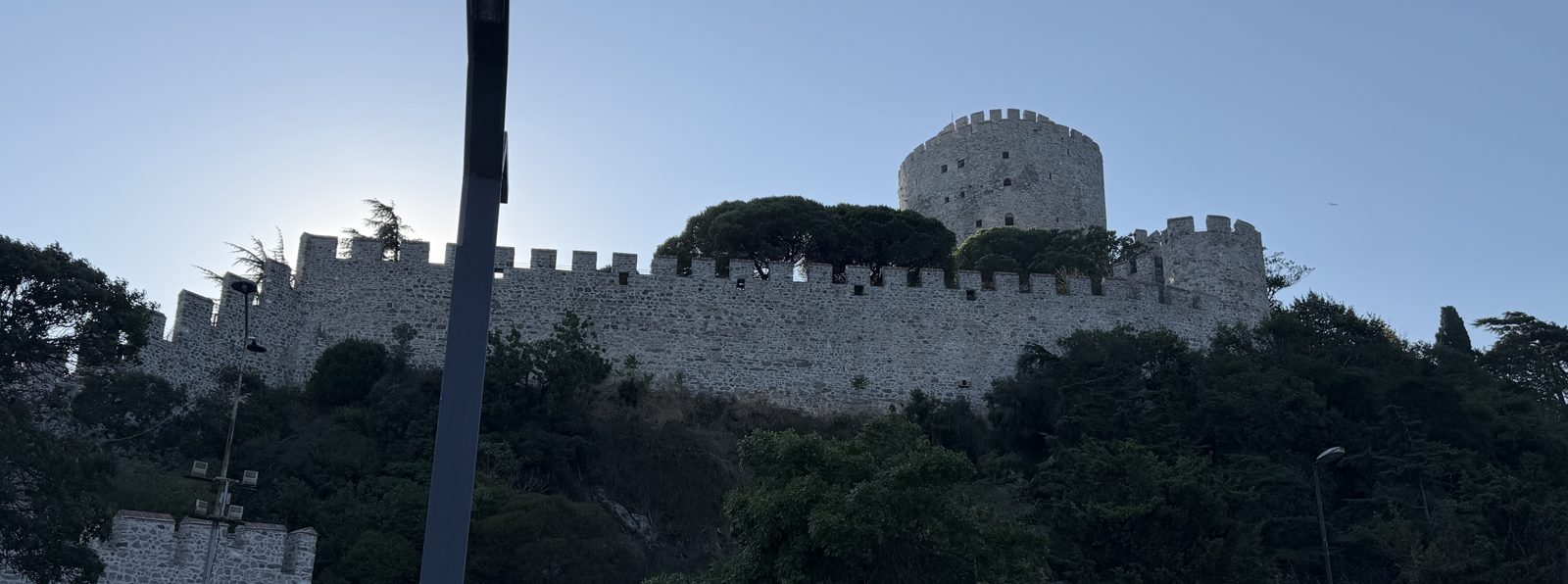
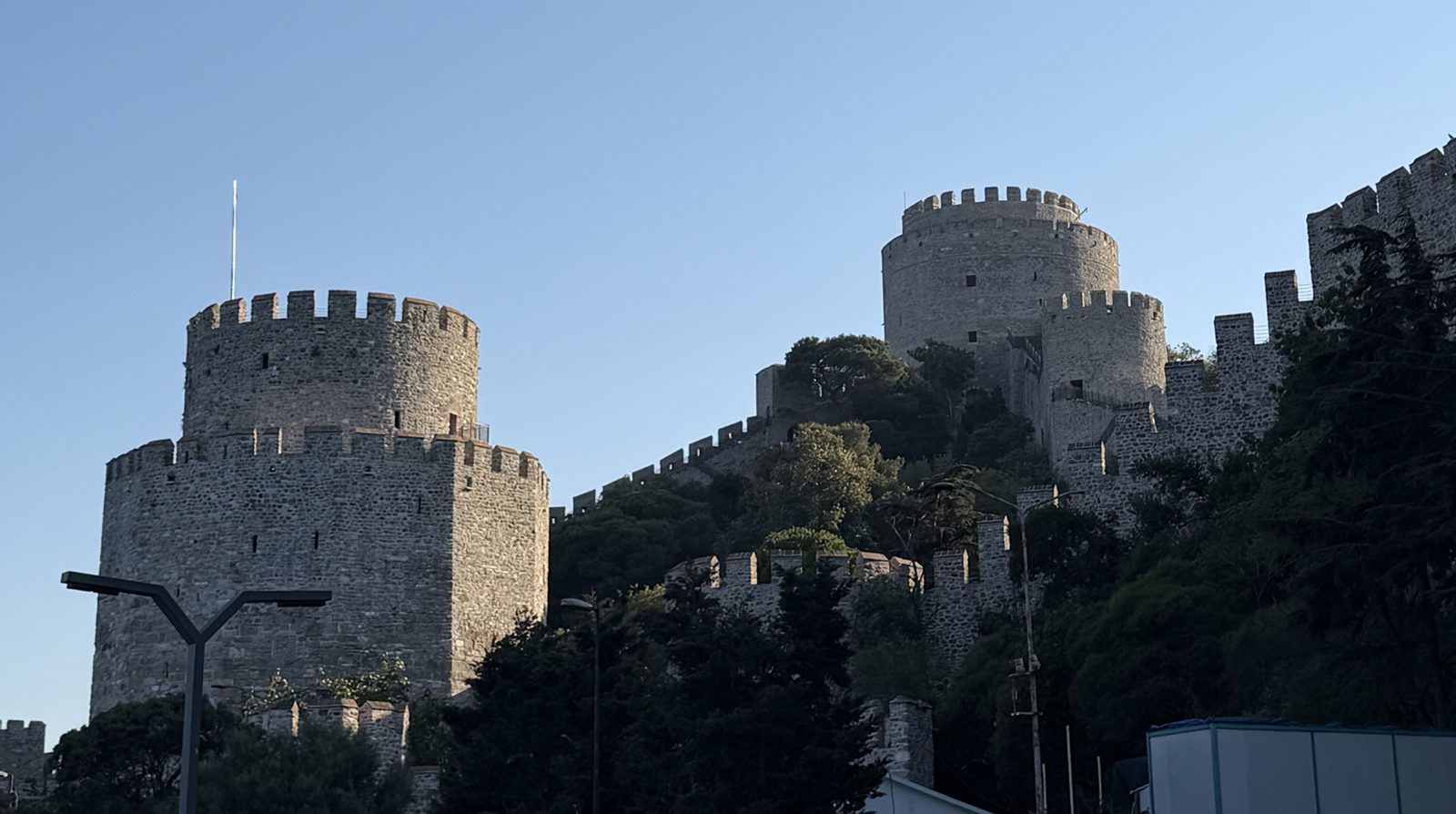
A year before the siege, in 1452, Mehmed built the Rumeli Fortress at the narrowest point of the Bosphorus. Together with the Anatolian Fortress on the opposite shore, it blocked any help reaching the city from the Black Sea.
Giant cannons
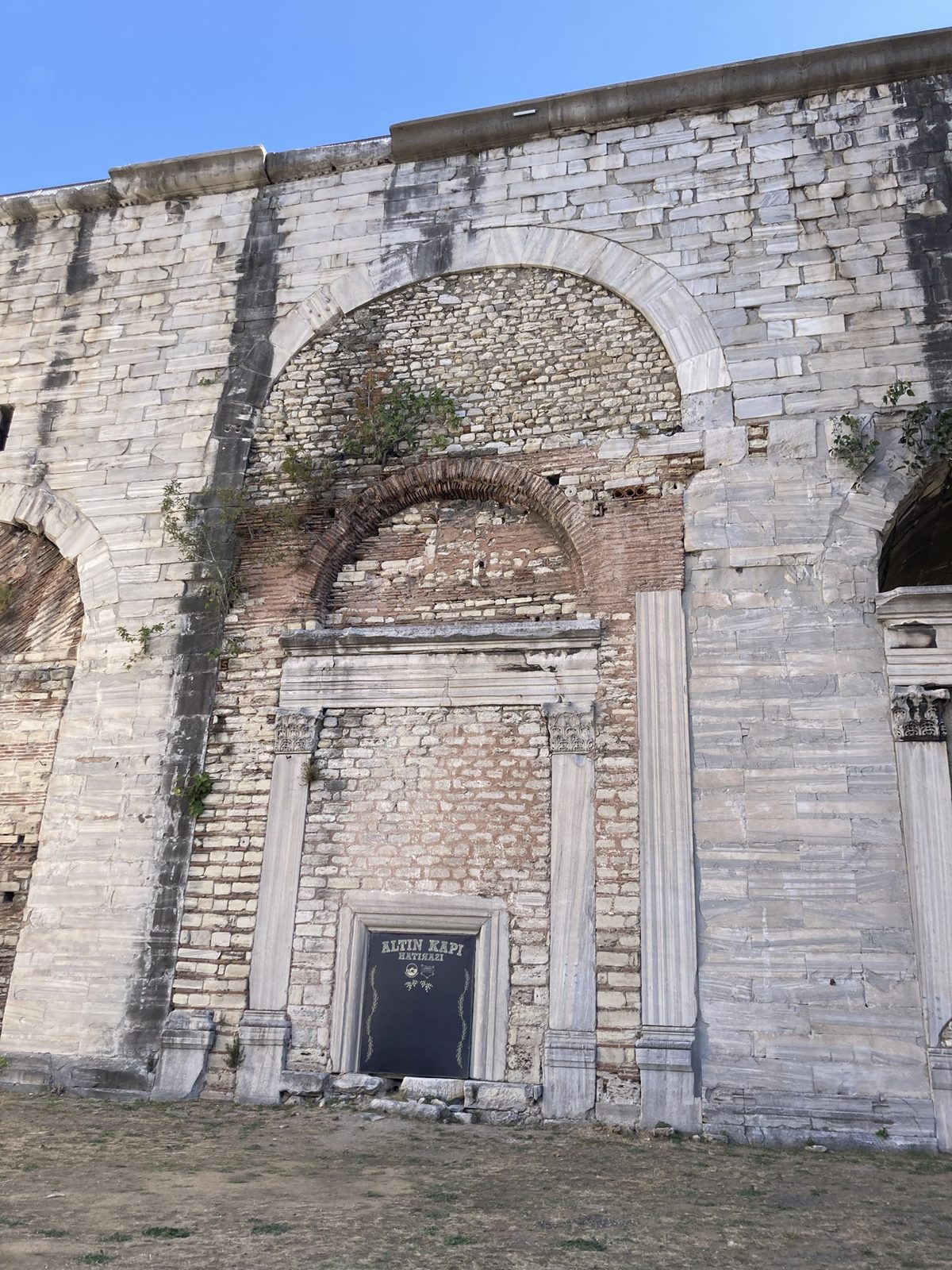
The huge cannons cast by Urban, a Hungarian-born gunsmith, pounded the Theodosian Walls for weeks. The walls had withstood many sieges, but they were not built for the age of gunpowder.
Ships that crossed land
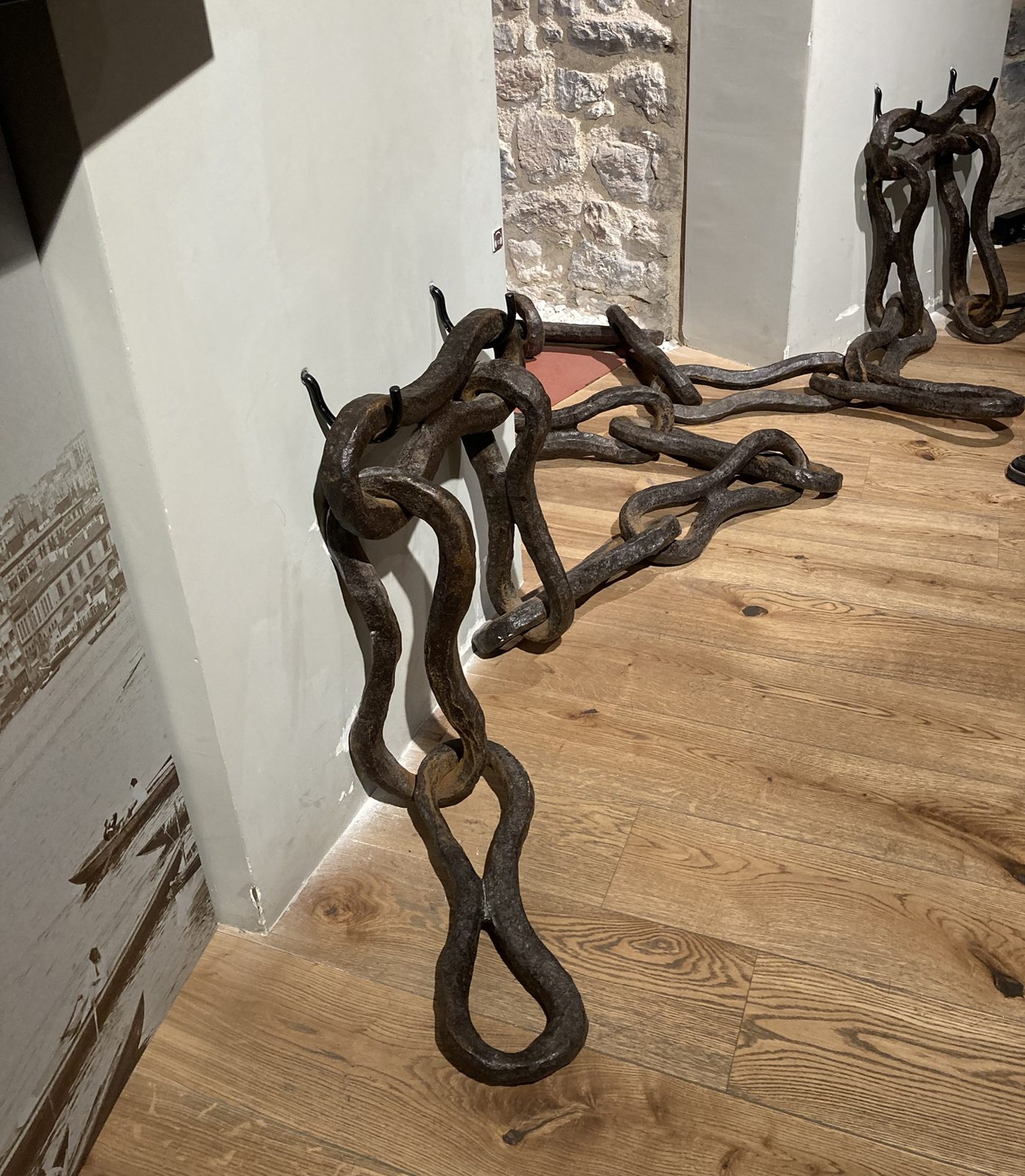
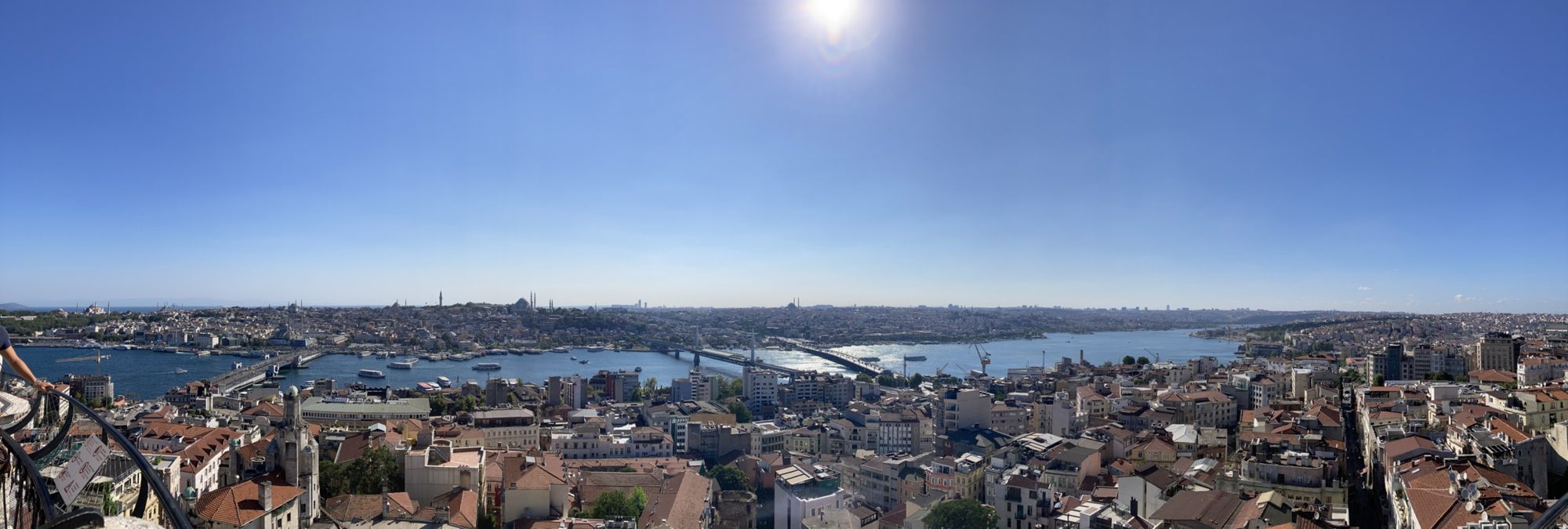
The entrance to the Golden Horn was sealed by a heavy chain. On the night of 22 April, Ottoman ships were hauled on greased rollers over the hills behind Galata and launched into the Golden Horn. Defenders now had to guard a much longer stretch of wall.
“Either I take Istanbul, or Istanbul takes me.”
— saying attributed to Mehmed II
The aftermath
- Istanbul became the new Ottoman capital and remained so until 1922.
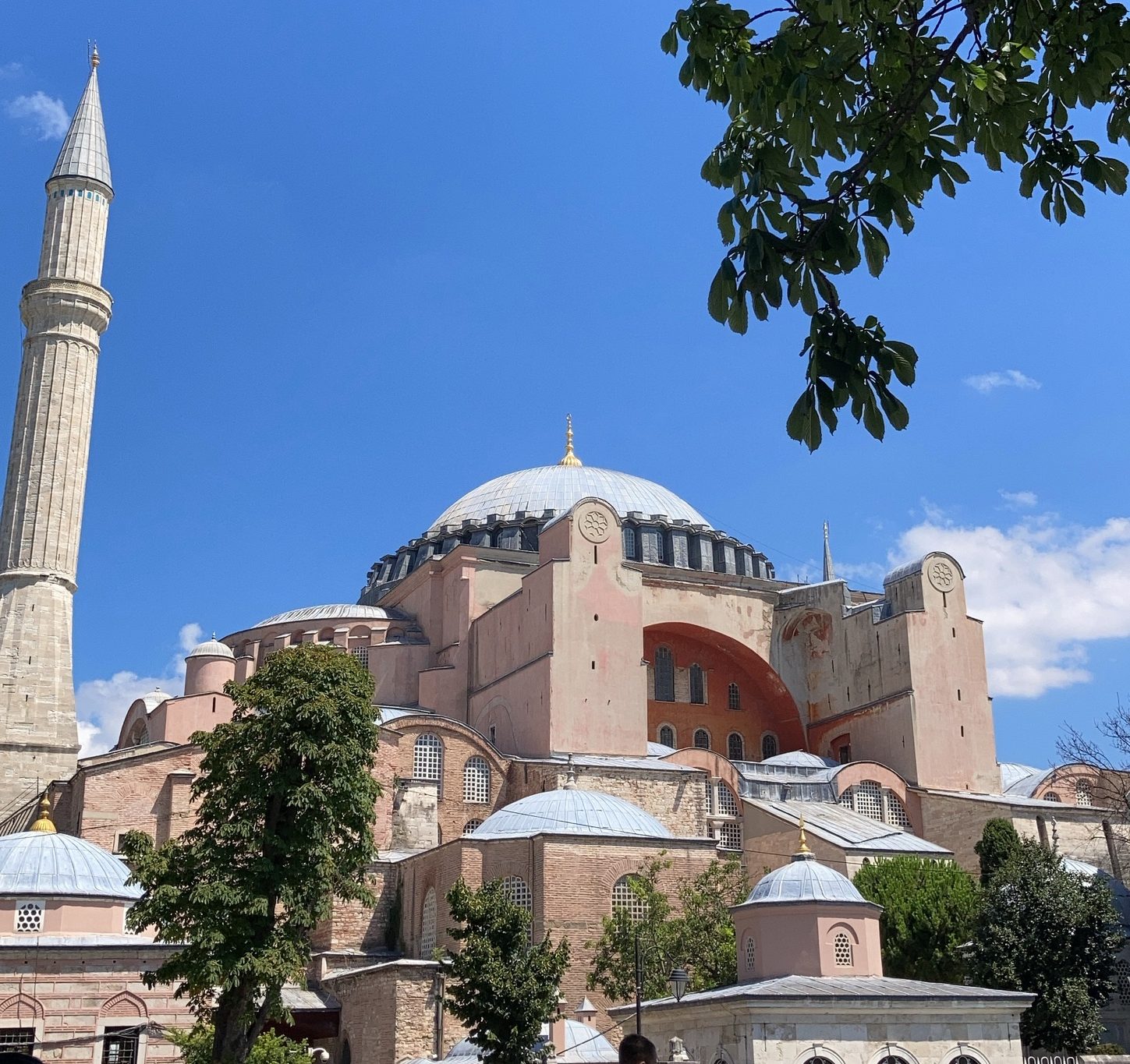
- Hagia Sophia was converted into a mosque.
- Mehmed II earned the title “Fatih”, the Conqueror.
Want to see this history in person? Start at the land walls and walk to Hagia Sophia to follow the traces of the conquest yourself.