Suleiman took the throne in 1520 at the age of 25 and ruled for 46 years until his death in 1566, the longest reign in Ottoman history. Europeans called him “the Magnificent”; his own people remembered him as Kanuni, “the Lawgiver”.
From Trabzon to the throne
Suleiman was born in Trabzon in 1494, the son of Sultan Selim I. As a young provincial governor in Caffa and Manisa he learned the craft of government. When his father died suddenly, he inherited a powerful empire that already reached Egypt and the Hejaz.
Campaigns
The first years of his reign brought one great success after another:
- 1521, Belgrade: the fortress regarded as the gateway to Central Europe fell.
- 1522, Rhodes: the island of the Knights of St John surrendered after a long siege.
- 1526, Mohács: the Hungarian army was defeated in a single day.
- 1529, Vienna: the Habsburg capital was besieged but not taken.
- 1534, Baghdad: the city was added to the empire.
- 1538, Preveza: the fleet under Hayreddin Barbarossa defeated the Holy League in the Mediterranean.
Why “the Lawgiver”?
Suleiman’s lasting legacy lay less on the battlefield than in the order of the state. Together with the chief jurist Ebussuud Efendi, he gathered the rules on taxation, land and criminal law from across the empire into law codes (kanunname), so that a vast realm could be governed by the same rules.
The poet sultan
Suleiman wrote poetry under the pen name Muhibbî. His best-known couplet is all the more striking for coming from a sultan:
Nothing is held in higher esteem among people than power,
yet in this world there is no power like a single breath of health.
The Süleymaniye
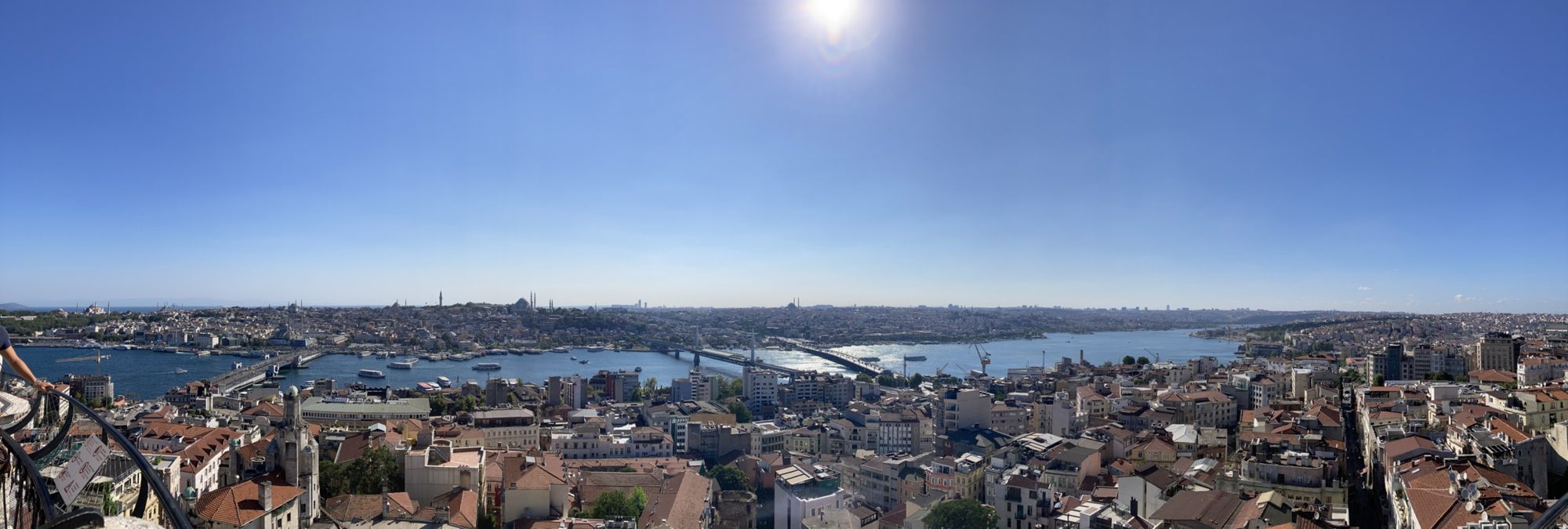
The symbol of his reign is the Süleymaniye Mosque (1557), built by his chief architect Sinan. With its madrasas, hospital, soup kitchen and bath, the complex is a small city within the city. Suleiman was buried in his tomb behind the mosque, and Mimar Sinan’s own tomb stands at a corner of the same complex.
The end at Szigetvár
In 1566, past the age of 70, Suleiman set out on his last campaign and died in camp during the siege of Szigetvár in Hungary. Grand Vizier Sokollu Mehmed Pasha kept his death secret for weeks so that the army would not break apart. The fortress fell shortly after the sultan’s death.
Want to follow in his footsteps? We visit the Süleymaniye together in Istanbul. For the architect’s story, read our article on Mimar Sinan.